

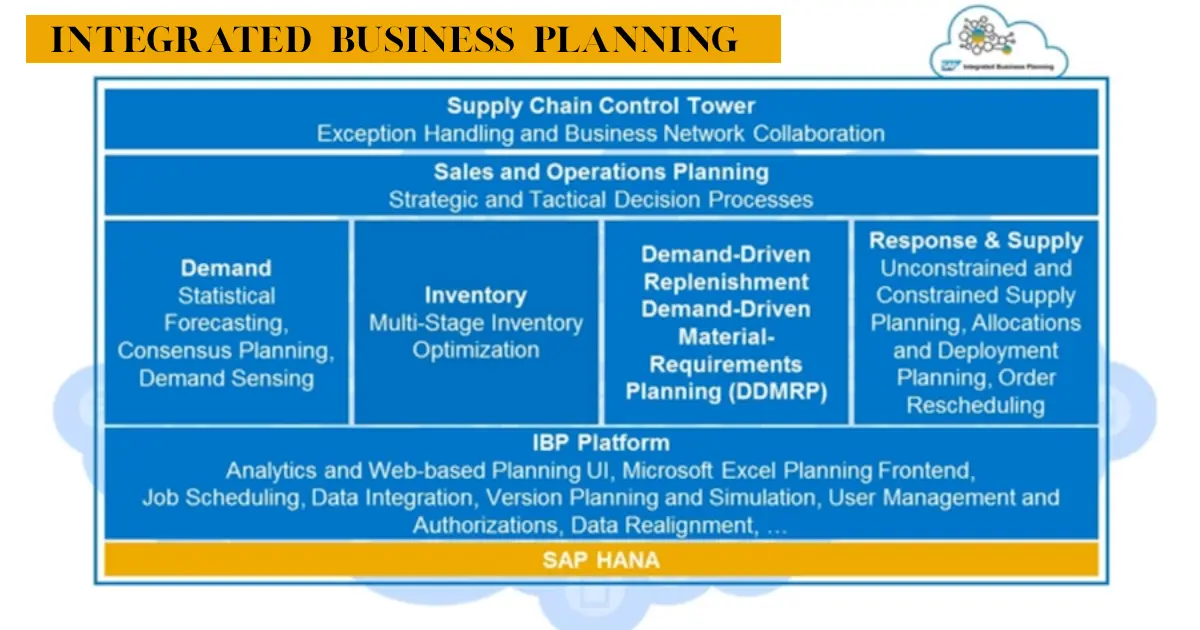
Introduction
In today’s rapidly changing business environment, organizations face increasing pressure to respond quickly to market shifts, customer demands, supply chain disruptions, and financial uncertainties. Traditional planning methods often operate in silos, with departments such as sales, finance, operations, and supply chain making decisions independently. While this approach may have worked in the past, modern businesses require greater alignment and collaboration to remain competitive.
This is where Integrated Business Planning (IBP) comes into play. Integrated Business Planning is a strategic management process that connects business objectives, financial planning, operational execution, and decision-making across the entire organization. Rather than viewing departments as separate entities, IBP creates a unified framework where all functions work toward common goals.
Organizations that successfully implement integrated business planning gain improved visibility, stronger collaboration, better forecasting accuracy, and enhanced agility. As a result, they are better positioned to achieve sustainable growth while effectively managing risks and opportunities.
This article explores the concept of integrated business planning, its importance, key components, benefits, implementation strategies, challenges, and best practices.
What Is Integrated Business Planning?
Integrated Business Planning is a cross-functional planning process that aligns strategic, operational, and financial plans within an organization. It extends beyond traditional Sales and Operations Planning (S&OP) by incorporating financial objectives, long-term strategy, and executive decision-making into a single planning framework.
The primary goal of integrated business planning is to ensure that every department is working from the same set of assumptions, data, and business objectives. This alignment enables organizations to make informed decisions based on real-time information and shared priorities.
IBP serves as a bridge between strategy and execution. It translates high-level corporate goals into actionable plans that guide daily operations while ensuring that resources are allocated effectively.
For example, if a company plans to launch a new product line, integrated business planning helps coordinate demand forecasts, production capacity, inventory requirements, workforce planning, financial budgets, and marketing activities. By connecting these elements, the organization can execute its strategy more effectively.
Why Integrated Business Planning Matters
Business environments are becoming increasingly complex. Customer expectations change rapidly, global supply chains face disruptions, and economic conditions can shift unexpectedly. Organizations need planning processes that provide flexibility and visibility.
Integrated business planning matters because it helps companies:
- Align strategic goals with operational execution
- Improve collaboration across departments
- Enhance forecasting accuracy
- Increase responsiveness to market changes
- Optimize resource allocation
- Improve financial performance
- Support data-driven decision-making
Without integrated planning, organizations often experience conflicting priorities, inaccurate forecasts, inefficient resource usage, and delayed decision-making. These issues can result in missed opportunities and reduced profitability.
IBP creates a structured process that allows leaders to evaluate trade-offs, understand business impacts, and make decisions that support overall organizational objectives.
The Evolution from S&OP to IBP
Many organizations are familiar with Sales and Operations Planning (S&OP), which focuses primarily on balancing supply and demand. While S&OP remains valuable, integrated business planning takes the concept further.
Traditional S&OP typically involves:
- Demand planning
- Supply planning
- Inventory management
- Production planning
Integrated business planning expands these capabilities by including:
- Financial planning
- Strategic planning
- Portfolio management
- Risk management
- Scenario analysis
- Executive governance
As businesses seek greater alignment between operations and strategy, IBP has emerged as the next evolution in planning maturity.
The transition from S&OP to IBP reflects the growing need for organizations to integrate all critical functions into a single decision-making process.
Core Components of Integrated Business Planning
Successful integrated business planning relies on several interconnected components.
Strategic Planning
Strategic planning establishes the organization’s long-term vision, objectives, and priorities. These goals serve as the foundation for all planning activities.
Integrated business planning ensures that operational and financial plans support strategic objectives. Every department understands how its activities contribute to organizational success.
Demand Planning
Demand planning focuses on forecasting customer demand for products and services. Accurate demand forecasts are essential for effective resource allocation and operational planning.
IBP incorporates multiple data sources, including:
- Historical sales data
- Market trends
- Customer insights
- Economic indicators
- Promotional activities
Improved demand planning helps organizations reduce uncertainty and make better decisions.
Supply Planning
Supply planning determines how the organization will meet forecasted demand. This includes evaluating production capacity, supplier capabilities, inventory levels, and logistics requirements.
An integrated approach ensures that supply plans align with both customer demand and financial objectives.
Financial Planning
Financial planning is a critical element of integrated business planning. It connects operational decisions with financial outcomes.
Organizations can evaluate how changes in demand, production, pricing, or investments affect:
- Revenue
- Profitability
- Cash flow
- Budget performance
This integration allows leaders to make decisions that support both operational efficiency and financial success.
Portfolio Planning
Many organizations manage multiple products, services, or business units. Portfolio planning helps prioritize investments and allocate resources effectively.
Integrated business planning enables companies to assess product performance, evaluate growth opportunities, and make informed portfolio decisions.
Risk Management
Every business faces risks ranging from supply chain disruptions to economic downturns. IBP incorporates risk assessment into the planning process.
Organizations can identify potential risks, evaluate impacts, and develop mitigation strategies before problems occur.
Scenario Planning
Scenario planning allows organizations to model different future outcomes.
For example, companies can analyze:
- Changes in customer demand
- Supplier disruptions
- Market expansion opportunities
- Economic fluctuations
By evaluating multiple scenarios, decision-makers can prepare for uncertainty and respond more effectively.
How Integrated Business Planning Works
Integrated business planning typically follows a structured cycle that occurs monthly or quarterly.
Step 1: Data Collection
The process begins with gathering data from across the organization. This includes:
- Sales performance
- Customer demand
- Inventory levels
- Production capacity
- Financial metrics
- Market intelligence
Accurate and reliable data is essential for effective planning.
Step 2: Demand Review
Teams review demand forecasts and identify potential changes in customer behavior or market conditions.
Forecast adjustments are made based on new information and emerging trends.
Step 3: Supply Review
Supply teams evaluate whether available resources can meet forecasted demand.
Potential constraints such as production capacity, labor shortages, or supplier limitations are identified.
Step 4: Financial Review
Financial teams assess the projected financial impact of demand and supply plans.
This step ensures that operational decisions align with budgetary and profitability targets.
Step 5: Executive Review
Senior leaders review recommendations, evaluate trade-offs, and make final decisions.
This executive alignment ensures that plans support overall business strategy.
Step 6: Implementation and Monitoring
Approved plans are communicated across the organization and executed.
Performance is continuously monitored, allowing adjustments when conditions change.
Benefits of Integrated Business Planning
Organizations that implement integrated business planning often experience significant improvements across multiple areas.
Improved Organizational Alignment
IBP breaks down departmental silos and encourages collaboration.
Sales, marketing, operations, finance, and supply chain teams work together using shared objectives and data.
This alignment reduces conflicts and improves overall performance.
Better Decision-Making
Integrated planning provides leaders with a comprehensive view of the business.
Decision-makers can evaluate operational, financial, and strategic impacts before taking action.
As a result, decisions become more informed and effective.
Enhanced Forecast Accuracy
Forecast accuracy improves when multiple departments contribute insights and data.
More accurate forecasts lead to:
- Better inventory management
- Reduced waste
- Improved customer service
- Increased profitability
Increased Agility
Organizations must respond quickly to changing market conditions.
IBP enables businesses to identify risks and opportunities early, allowing faster responses and greater adaptability.
Stronger Financial Performance
When operational plans align with financial objectives, organizations can optimize resource allocation and improve profitability.
Companies often achieve:
- Higher revenue growth
- Lower operating costs
- Better cash flow management
- Improved return on investment
Greater Transparency
Integrated business planning creates visibility across the organization.
Leaders gain access to consistent, reliable information that supports strategic decision-making.
Improved Customer Satisfaction
Accurate demand planning and effective resource management help organizations meet customer expectations more consistently.
This leads to stronger customer relationships and increased loyalty.
Technology’s Role in Integrated Business Planning
Technology plays a vital role in enabling successful integrated business planning.
Modern IBP solutions provide advanced capabilities such as:
- Real-time data integration
- Predictive analytics
- Artificial intelligence
- Machine learning
- Automated reporting
- Scenario modeling
- Collaborative workflows
These technologies help organizations process large volumes of data and generate actionable insights more efficiently.
Cloud-based planning platforms are particularly valuable because they provide a single source of truth accessible across departments and locations.
By leveraging technology, businesses can improve planning accuracy, accelerate decision-making, and enhance collaboration.
Common Challenges in Implementing Integrated Business Planning
Despite its benefits, implementing integrated business planning can be challenging.
Organizational Silos
Many companies operate with separate departmental goals and processes.
Breaking down these silos requires cultural change and strong leadership support.
Data Quality Issues
IBP depends on accurate and reliable data.
Inconsistent or incomplete data can undermine planning effectiveness and reduce confidence in decision-making.
Resistance to Change
Employees may resist new processes, technologies, or ways of working.
Successful implementation requires communication, training, and stakeholder engagement.
Lack of Executive Support
Integrated business planning requires active participation from senior leadership.
Without executive commitment, organizations may struggle to achieve alignment and accountability.
Technology Limitations
Outdated systems can make data integration and collaboration difficult.
Investing in modern planning technologies is often necessary to support IBP initiatives.
Best Practices for Successful Integrated Business Planning
Organizations can increase their chances of success by following proven best practices.
Establish Clear Objectives
Define what the organization wants to achieve through integrated business planning.
Objectives may include:
- Improved forecast accuracy
- Better financial performance
- Enhanced collaboration
- Increased agility
Clear goals provide direction and measurable outcomes.
Secure Executive Sponsorship
Leadership support is critical.
Executives should actively participate in planning reviews and reinforce the importance of cross-functional collaboration.
Create a Single Source of Truth
Consistent data is essential for effective planning.
Organizations should establish standardized data management practices and centralized reporting systems.
Promote Cross-Functional Collaboration
IBP succeeds when departments work together.
Regular meetings, shared metrics, and collaborative planning processes help foster alignment.
Invest in Technology
Modern planning tools improve visibility, forecasting, and decision-making.
Organizations should evaluate technologies that support integrated planning and data analytics.
Measure Performance
Track key performance indicators to assess planning effectiveness.
Common metrics include:
- Forecast accuracy
- Inventory turnover
- Service levels
- Revenue growth
- Profit margins
- Planning cycle times
Continuous measurement supports ongoing improvement.
Embrace Continuous Improvement
Integrated business planning is not a one-time project.
Organizations should regularly review processes, gather feedback, and refine their planning approach.
The Future of Integrated Business Planning
The future of integrated business planning is closely tied to advancements in technology and data analytics.
Artificial intelligence and machine learning are increasingly being used to improve forecasting accuracy and automate routine planning tasks.
Organizations are also adopting digital twins, advanced simulations, and predictive models to evaluate potential business outcomes.
As businesses become more interconnected and data-driven, integrated business planning will continue to evolve.
Future IBP processes will likely feature:
- Greater automation
- Real-time planning capabilities
- Enhanced predictive analytics
- Improved collaboration tools
- More sophisticated scenario modeling
These advancements will enable organizations to make faster, more informed decisions in increasingly complex environments.
Conclusion
Integrated business planning has become an essential capability for organizations seeking sustainable growth, operational excellence, and strategic alignment. By connecting strategy, finance, operations, supply chain, and other business functions, IBP creates a unified framework for decision-making and execution.
Unlike traditional planning approaches that operate in silos, integrated business planning promotes collaboration, transparency, and accountability across the enterprise. It enables organizations to improve forecast accuracy, optimize resources, manage risks, and respond more effectively to changing market conditions.
While implementing IBP can present challenges, the long-term benefits far outweigh the difficulties. Companies that invest in integrated business planning gain stronger organizational alignment, better financial performance, and increased agility in an increasingly competitive business landscape.
As technology continues to advance and business environments become more complex, integrated business planning will play an even greater role in helping organizations navigate uncertainty and achieve their strategic objectives. Businesses that embrace this integrated approach will be better equipped to make informed decisions, drive growth, and create lasting value for customers, employees, and stakeholders alike.
