

Introduction
Cloud computing has transformed the way organizations operate, innovate, and compete in the digital economy. What began as a technology solution for data storage and computing power has evolved into a foundation for countless business opportunities. Today, businesses of all sizes rely on cloud platforms to improve efficiency, reduce costs, and deliver better experiences to customers.
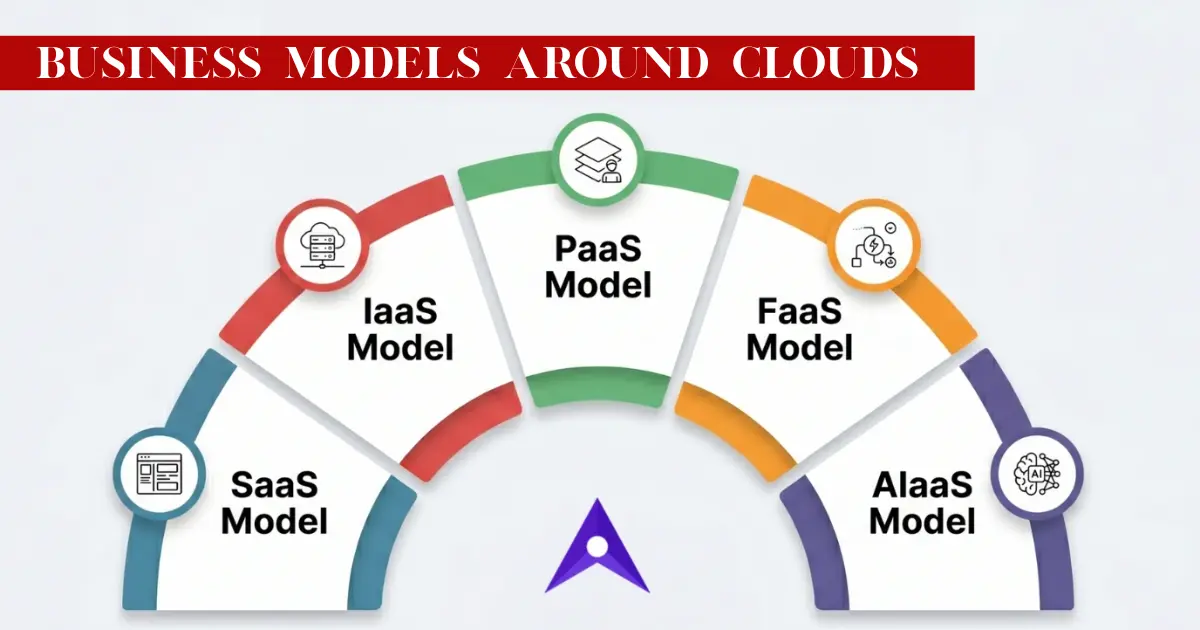
As cloud adoption continues to expand, a wide range of business models around clouds has emerged. These models allow companies to generate revenue, create value, and build sustainable competitive advantages. From software providers and infrastructure companies to consulting firms and managed service providers, cloud technology supports an entire ecosystem of businesses.
Understanding business models around clouds is essential for entrepreneurs, investors, technology professionals, and business leaders who want to capitalize on the growing cloud economy. This article explores the major cloud-based business models, their benefits, challenges, and future opportunities.
Understanding the Cloud Economy
Before discussing business models, it is important to understand what cloud computing means in a business context.
Cloud computing refers to the delivery of computing services over the internet. Instead of purchasing and maintaining expensive hardware and software on-site, organizations can access resources on demand. These resources include servers, databases, networking, storage, software applications, and analytics tools.
The cloud economy has grown rapidly because it offers several advantages:
- Reduced upfront investment
- Scalability and flexibility
- Faster deployment of services
- Improved collaboration
- Enhanced security and reliability
- Global accessibility
These benefits have encouraged businesses across industries to migrate their operations to cloud environments, creating significant opportunities for cloud-related business models.
Infrastructure as a Service (IaaS)
One of the most common business models around clouds is Infrastructure as a Service, commonly known as IaaS.
Under this model, providers offer virtualized computing resources through the internet. Customers rent servers, storage, and networking resources instead of purchasing physical infrastructure.
How It Works
Businesses pay only for the resources they consume. This pay-as-you-go approach eliminates the need for major capital expenditures.
Revenue Generation
IaaS providers generate revenue through:
- Usage-based pricing
- Subscription plans
- Reserved resource contracts
- Additional security and monitoring services
Benefits
For customers:
- Lower infrastructure costs
- Greater flexibility
- Faster scalability
For providers:
- Recurring revenue
- Long-term customer relationships
- High market demand
The IaaS model serves as the foundation for many cloud ecosystems and continues to be a major driver of cloud industry growth.
Platform as a Service (PaaS)
Platform as a Service provides developers with tools and environments for building, testing, and deploying applications.
Rather than managing infrastructure, developers can focus entirely on creating software solutions.
Key Features
PaaS platforms typically offer:
- Application development tools
- Database management
- Integration services
- Security features
- Deployment automation
Revenue Streams
Providers generate income through:
- Monthly subscriptions
- Resource consumption fees
- Premium development tools
- Enterprise support packages
Business Value
PaaS enables faster software development while reducing technical complexity. Businesses can launch products more quickly and respond rapidly to market demands.
This model is particularly attractive to startups that need to innovate without investing heavily in infrastructure.
Software as a Service (SaaS)
Software as a Service is perhaps the most recognizable cloud-based business model.
Instead of purchasing software licenses and installing applications locally, customers access software through web browsers.
Characteristics
SaaS solutions typically include:
- Subscription pricing
- Automatic updates
- Cloud-based storage
- Multi-user access
- Remote accessibility
Revenue Model
Revenue is generated through:
- Monthly subscriptions
- Annual subscriptions
- Tiered pricing structures
- Freemium upgrades
- Enterprise licensing
Advantages
Customers benefit from lower implementation costs and easier maintenance.
Providers benefit from predictable recurring revenue and opportunities for customer retention.
Many modern business applications operate under the SaaS model, making it one of the most successful cloud business models in the digital era.
Managed Cloud Services
Many organizations lack the expertise needed to manage complex cloud environments. This gap has created opportunities for managed cloud service providers.
What Managed Service Providers Do
Managed service providers help organizations:
- Monitor cloud systems
- Maintain infrastructure
- Optimize performance
- Improve security
- Manage backups and disaster recovery
Revenue Sources
These businesses earn revenue through:
- Monthly service contracts
- Performance optimization services
- Security management packages
- Consulting engagements
Market Demand
As cloud environments become more sophisticated, businesses increasingly seek expert support, making managed services a highly profitable cloud business model.
Cloud Consulting and Advisory Services
Cloud migration can be a complicated process. Many organizations require guidance when transitioning from traditional systems to cloud-based operations.
This need has created a thriving consulting industry around cloud technologies.
Services Offered
Cloud consultants help organizations:
- Develop cloud strategies
- Select cloud providers
- Design architectures
- Manage migrations
- Ensure compliance
Revenue Generation
Consulting firms generate revenue through:
- Project-based fees
- Retainer agreements
- Training programs
- Strategic advisory services
Benefits
Organizations gain expert knowledge while reducing migration risks and implementation challenges.
For consultants, cloud expertise can command premium pricing due to strong demand and specialized skills.
Cloud Security Services
Security remains one of the most critical concerns for organizations operating in cloud environments.
As a result, cloud security has become an important business model within the cloud ecosystem.
Core Services
Cloud security providers offer:
- Threat detection
- Identity management
- Data protection
- Compliance monitoring
- Security audits
Revenue Models
Revenue may come from:
- Subscription services
- Security assessments
- Incident response services
- Compliance consulting
Growth Potential
Cybersecurity threats continue to evolve, increasing demand for cloud-focused security solutions across industries.
Cloud Storage Business Models
Cloud storage is one of the earliest and most successful cloud-based business models.
Organizations and individuals need secure, accessible storage solutions for growing volumes of data.
Key Features
Cloud storage services provide:
- Data backup
- File synchronization
- Remote access
- Collaboration tools
- Disaster recovery
Monetization Strategies
Storage providers generate revenue through:
- Storage capacity subscriptions
- Premium features
- Enterprise plans
- Data management services
Market Opportunities
The exponential growth of digital information ensures ongoing demand for cloud storage solutions.
Cloud Marketplace Platforms
Cloud marketplaces connect software vendors with customers through centralized platforms.
These marketplaces function similarly to online retail stores but focus on digital products and services.
How They Operate
Marketplace operators:
- Host third-party applications
- Manage transactions
- Provide billing systems
- Facilitate customer discovery
Revenue Sources
Revenue typically comes from:
- Transaction commissions
- Listing fees
- Advertising opportunities
- Premium marketplace services
Benefits
Vendors gain access to larger customer bases, while customers enjoy simplified purchasing experiences.
This model creates value for both buyers and sellers within the cloud ecosystem.
Data Analytics as a Service
Data has become one of the most valuable assets in modern business.
Cloud technologies have enabled companies to offer Data Analytics as a Service.
Services Included
Providers offer:
- Data processing
- Business intelligence
- Predictive analytics
- Machine learning capabilities
- Visualization tools
Revenue Models
Income is generated through:
- Subscription plans
- Usage-based pricing
- Enterprise packages
- Specialized analytical services
Business Impact
Organizations can access advanced analytical capabilities without building expensive in-house infrastructure.
This model democratizes access to powerful data insights.
Industry-Specific Cloud Solutions
Many providers create cloud solutions tailored to specific industries.
Examples include:
- Healthcare cloud platforms
- Financial services clouds
- Education cloud solutions
- Manufacturing cloud systems
- Retail cloud applications
Why Specialization Matters
Industry-specific solutions address unique requirements such as:
- Regulatory compliance
- Workflow optimization
- Specialized data management
- Industry standards
Revenue Opportunities
Specialized providers often command higher pricing because of their expertise and customized functionality.
Hybrid Cloud and Multi-Cloud Services
As organizations seek flexibility, hybrid and multi-cloud strategies have become increasingly popular.
Hybrid Cloud
Hybrid cloud combines private and public cloud environments.
Multi-Cloud
Multi-cloud involves using services from multiple cloud providers.
Business Opportunities
Service providers assist organizations with:
- Cloud integration
- Workload management
- Cost optimization
- Performance monitoring
Revenue Models
Income comes from consulting, implementation, management, and optimization services.
The growing complexity of cloud environments creates strong demand for these specialized offerings.
Cloud-Based Subscription Businesses
Many companies use cloud infrastructure to power subscription-based businesses.
Examples include:
- Streaming services
- Online learning platforms
- Digital publishing services
- Membership communities
- Productivity applications
Why Cloud Supports Subscription Models
Cloud platforms enable:
- Continuous service delivery
- Automatic updates
- Global scalability
- Real-time customer engagement
Financial Advantages
Subscription businesses benefit from predictable recurring revenue and stronger customer relationships.
Challenges Facing Cloud Business Models
While cloud business models offer significant opportunities, they also face several challenges.
Intense Competition
The cloud industry is highly competitive. New entrants must differentiate themselves through innovation, pricing, or specialization.
Security Concerns
Cybersecurity risks remain a major concern for customers and providers alike.
Compliance Requirements
Organizations must navigate complex regulatory requirements related to data privacy and security.
Customer Retention
Subscription-based models require continuous value delivery to prevent customer churn.
Infrastructure Costs
Cloud providers must invest heavily in technology infrastructure, maintenance, and innovation.
Successfully addressing these challenges is essential for long-term profitability.
Emerging Trends in Cloud Business Models
The future of cloud computing is being shaped by several emerging trends.
Artificial Intelligence Integration
Cloud platforms increasingly incorporate AI capabilities to automate processes and improve decision-making.
Edge Computing
Processing data closer to users reduces latency and improves performance.
Serverless Computing
Serverless models allow businesses to pay only for actual computing usage, increasing efficiency.
Sustainability Initiatives
Environmentally conscious cloud solutions are becoming increasingly important.
Industry Clouds
Specialized cloud environments designed for specific sectors are expected to experience significant growth.
Businesses that adapt to these trends can create new revenue streams and maintain competitive advantages.
Building a Successful Cloud-Based Business
Organizations seeking to build successful cloud businesses should focus on several key principles.
Understand Customer Needs
Successful cloud companies solve real business problems and deliver measurable value.
Focus on Scalability
Cloud-based solutions should be designed to grow efficiently as demand increases.
Invest in Security
Strong security practices build trust and protect valuable customer data.
Deliver Excellent Customer Experience
User-friendly solutions and responsive support contribute to long-term customer loyalty.
Embrace Innovation
The cloud industry evolves rapidly, making continuous innovation essential.
Companies that prioritize these principles are better positioned for sustainable growth.
Conclusion
Business models around clouds have become a cornerstone of the modern digital economy. From Infrastructure as a Service and Software as a Service to cloud consulting, security, analytics, and industry-specific solutions, cloud technology has created countless opportunities for organizations to generate value and revenue.
The success of cloud business models is driven by their ability to provide flexibility, scalability, efficiency, and innovation. As more organizations embrace digital transformation, demand for cloud-related products and services will continue to grow.
At the same time, businesses must navigate challenges such as competition, security concerns, and evolving customer expectations. Those that invest in innovation, customer success, and technological excellence will be best positioned to thrive in the cloud-driven future.
As cloud computing continues to evolve, new business models will emerge, creating even greater opportunities for entrepreneurs, technology providers, and organizations worldwide. The cloud is no longer just a technology platform—it is a powerful foundation for modern business growth and long-term success.
